
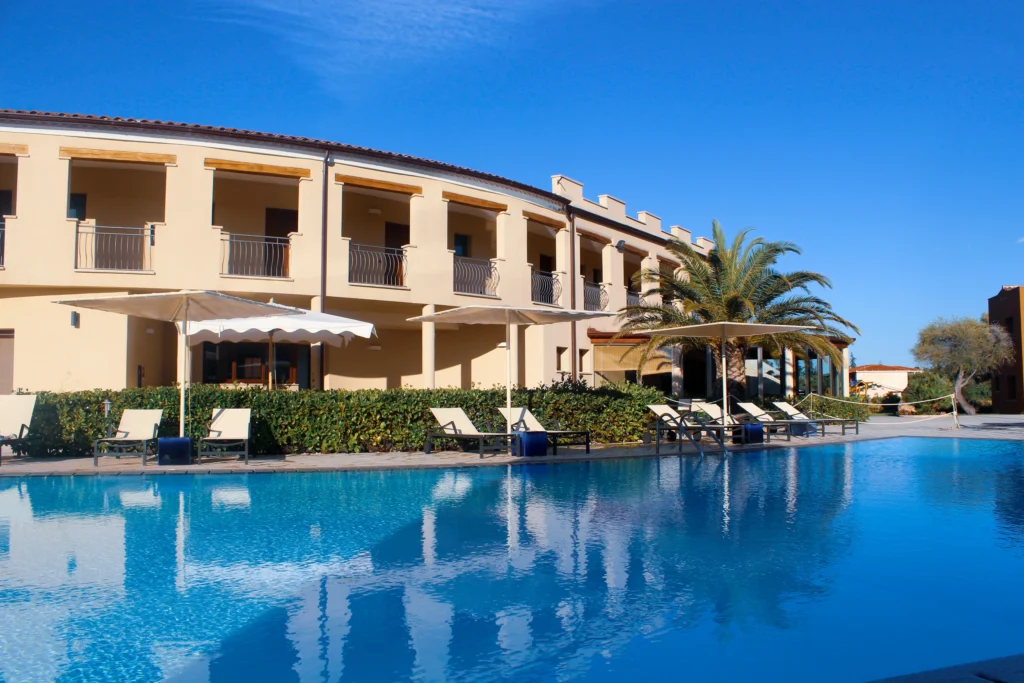
For the third consecutive year, Spain topped the European hotel investment rankings in 2025. According to data from CBRE and major industry analysts, Spain absorbed over €1 billion in hotel investment in the first quarter of 2025 alone, outpacing the UK, France and Germany. In full-year terms, the country attracted approximately €3.5 billion in hotel and hospitality transactions.
This is not an isolated data point. It reflects a sustained, structural shift in how institutional capital views Spain, and it has direct implications for anyone buying residential property on the Costa del Sol in 2026.
Why Institutional Capital Is Moving to Spain
Hotel investment follows demand, and tourist demand for Spain has been consistently exceptional. The country welcomed over 94 million international visitors in 2024, a new record, and the Málaga province alone reported more than 14 million overnight stays. The Costa del Sol remains the most visited coastal destination in Spain by international tourists.
Institutional investors, including private equity funds, real estate investment trusts (REITs) and sovereign wealth funds, interpret strong hospitality demand as a leading indicator of durable property values. When BlackRock, Brookfield and Blackstone are all active acquirers in a market, as they have been in Spain, it signals something meaningful about long-term confidence in the underlying asset.
What Hotel Investment Has to Do With Residential Property
The connection between hotel investment and residential property prices operates through several channels:
1. Land and Development Pressure
Hotels and residential developments compete for the same coastal and urban land. When hotel investors pay premium prices for sites (which they have been doing in Málaga, Marbella and Estepona), the floor price for all land in the area rises. Residential developers cannot buy below that floor, which means new-build apartments and villas carry the land cost forward into their pricing.
2. Infrastructure Investment
Major hotel groups invest in local infrastructure: upgraded marinas, road improvements, commercial amenities. This infrastructure benefits the surrounding residential areas and makes those areas more attractive to buyers, which supports values.
3. Tourism-Driven Rental Income
Strong tourist demand means strong rental income for residential property owners who let their homes to visitors. Reliable rental yields make Costa del Sol property more attractive as an investment, which increases buyer demand, which supports prices.
4. Currency and Capital Flow
Institutional capital flows into Spain tend to strengthen the euro and signal macroeconomic confidence. For buyers converting from sterling or other currencies, the exchange rate matters, but so does the underlying direction of travel in the market.

Which Areas of the Costa del Sol Are Attracting Investment?
Hotel investment on the Costa del Sol has been concentrated in several specific areas:
- Málaga city: The transformation of the port area and the growth of the city as a tech and creative hub have attracted boutique hotel brands and international operators. Residential prices in the city centre have risen sharply.
- Marbella and the Golden Mile: Consistently the most sought-after address on the coast for both hotel operators and high-net-worth residential buyers. Supply is constrained by planning restrictions, which keeps prices elevated.
- Estepona: Often called “the new Marbella,” Estepona has benefited from significant public investment in its historic centre and seafront and is attracting both hotel groups and residential buyers who have been priced out of Marbella.
- The western Costa del Sol (Manilva, Casares): The least developed section of the coast from a hospitality perspective, but attracting increasing interest from both small hotel operators and residential buyers seeking value.
New Build vs Resale: Where Is the Investment Logic Strongest?
New-build property on the Costa del Sol has seen strong price appreciation in the 2022 to 2025 period, partly driven by rising construction costs and partly by sustained demand from international buyers. According to Idealista, the average price for new-build property in Málaga province in early 2026 is approximately 20 to 25% higher than equivalent resale property, per square metre.
Resale property, particularly in established residential areas, offers a different value proposition: lower entry price, proven community infrastructure, and often more character. The trade-off is that it may require renovation or have higher energy costs.
For investors specifically, the calculus usually involves comparing purchase price against achievable rental yield, accounting for tourist licence requirements, community fees, non-resident tax and the costs of property management.
What the Investment Trend Means If You Are Buying Now
The practical takeaway for residential buyers in 2026 is this: the structural fundamentals underpinning property values on the Costa del Sol remain strong. Institutional capital is betting on sustained demand, infrastructure is improving, and stock in the most desirable areas remains constrained.
That does not mean prices will always rise in a straight line, and it does not remove the importance of buying in the right location with a clean legal title. But it does suggest that well-chosen property on the Costa del Sol, purchased correctly and held for the medium to long term, continues to represent a sound investment.
Frequently Asked Questions
Can I buy a hotel or commercial property in Spain as a foreigner?
Yes, there are no restrictions on foreigners buying commercial property in Spain. The process is similar to buying residential property: you need a NIE number, a Spanish bank account, a purchase contract reviewed by a lawyer, and a notarial completion. The due diligence on a commercial property is more involved (licences, business permits, leases if it is tenanted), so specialist legal advice is particularly important.
Is property on the Costa del Sol a good investment in 2026?
The evidence from the institutional investment market suggests continued confidence. However, “good investment” depends on your specific goals (rental income, capital appreciation, personal use), your time horizon, and how carefully you choose the property. A poorly chosen property, or one with legal problems, can underperform regardless of the broader market. Legal due diligence is not optional.
What taxes do I pay when I sell an investment property in Spain?
Non-residents pay capital gains tax at 19% on the profit from the sale. Residents pay via IRPF at rates between 19% and 28% depending on the size of the gain. The buyer must withhold 3% of the sale price at completion and pay it to the Agencia Tributaria as a guarantee against your capital gains liability. You then file a Modelo 210 to settle the final figure.
Do I need a tourist licence to rent my Costa del Sol property on Airbnb?
Yes. In Andalucía, any property let on a short-term basis to tourists must be registered as a Vivienda con Fines Turísticos (VFT) and hold the corresponding licence. Operating without a licence can result in significant fines (up to €150,000 in some cases). Several municipalities have also introduced restrictions on new licences in certain areas, so it is important to check the current status before purchasing with the intention to rent.
How do I find a reliable property lawyer on the Costa del Sol?
Look for a lawyer who specialises in real estate law (not a generalist) and who has verifiable experience with international buyers. They should carry out full due diligence on the property (land registry, planning status, debts, community fees), review and negotiate the purchase contract, and accompany you (or represent you) at the notarial signing. Word-of-mouth recommendations from other expat buyers and estate agents with established track records are the most reliable starting points.
Investing in Property on the Costa del Sol?
The legal side of buying investment property in Spain requires the same rigour as any other purchase, and arguably more: rental licensing, tax structuring, community fee verification and a clean title are all non-negotiable. Málaga Solicitors has helped more than 37,500 buyers complete property transactions across the Costa del Sol over 25 years. Our team works in English and understands the investment as well as the legal picture.
Málaga Solicitors also has direct experience in hotel investment transactions on the Costa del Sol. In 2025, our firm successfully assisted with the purchase of a hotel in Benahavís, guiding the buyer through the legal process with complete success.
Whether you are considering a hotel acquisition, a commercial property purchase or a residential investment in Spain, our specialist property lawyers can help you structure the transaction safely and efficiently. To speak with our team, contact us by email at mail@malagasolicitors.com, call us on (+34) 952 021 225, or send us a WhatsApp message on (+34) 646 776 118.
Fill in the contact form below and one of our specialist property lawyers will get back to you within one business day.

Marketing Department – Malaga Solicitors Group
Responsible of updating the website, network planning, customer follow-up and data monitoring.
Languages: Spanish and English.






 English
  Dutch
Dutch