
Many expats moving to Spain believe that obtaining a NIE (Número de Identificación de Extranjero) automatically makes them a resident, but this is a common misconception that could lead to legal issues down the line.
At Málaga Solicitors, we often advise expats who are unsure about the legal difference between holding a NIE and actually being a legal resident of Spain. In this article, we clarify the distinction and explain what you truly need depending on your situation.
What is an NIE?
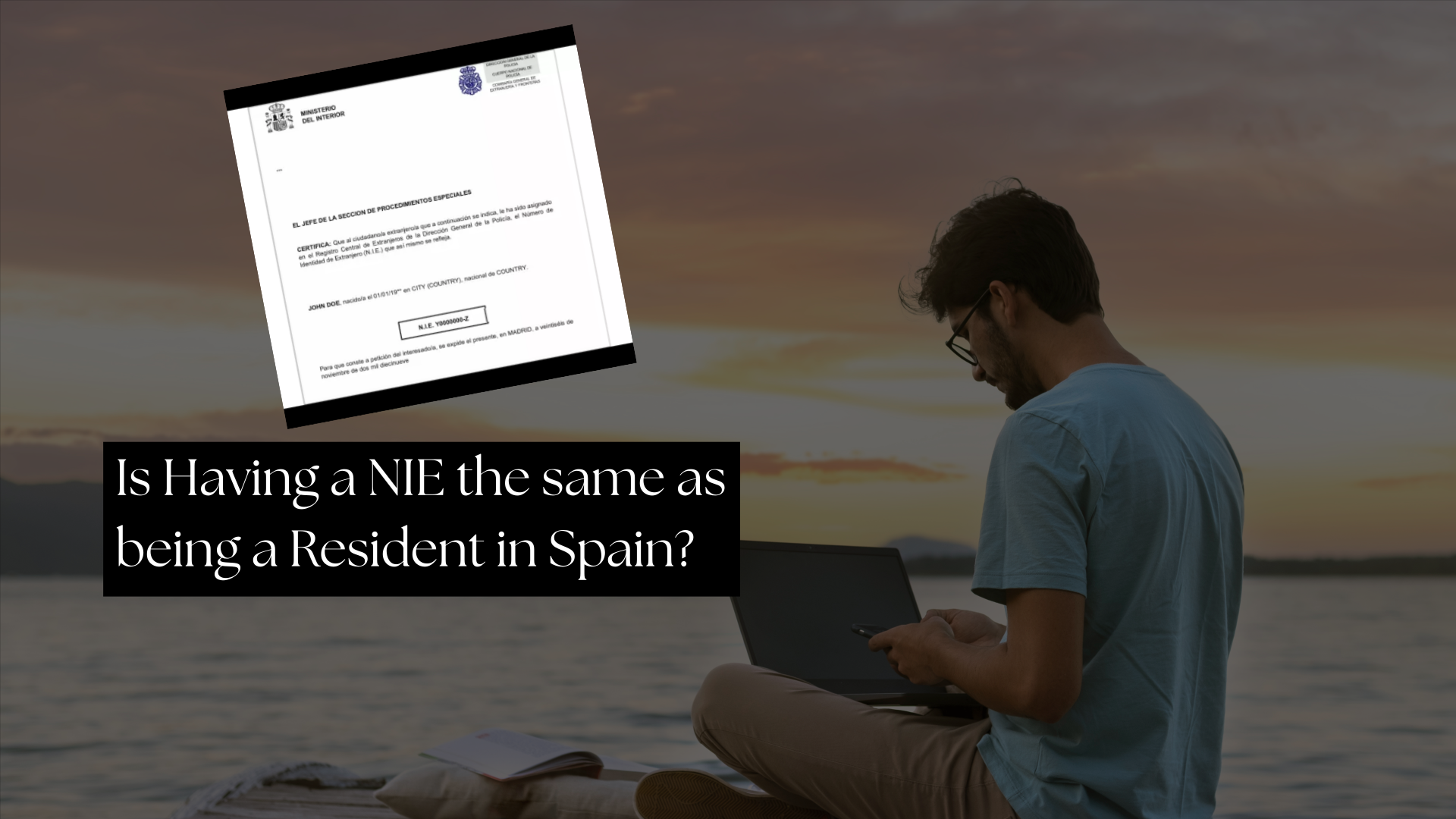
The NIE is a foreigner TAX identification number issued by the Spanish authorities. It is essential for any foreigner conducting legal, financial, or administrative activities in Spain.
You need an NIE to:
- Buy property
- Open a Spanish bank account
- Register for utilities
- Pay taxes
- Sign contracts or start a business
However, the NIE is not proof of residency. It simply identifies you for official TAX purposes. It is just a tax number, useful, but not a residence permit.
What does it mean to be a resident in Spain?
Being a resident in Spain means you have legal permission to live in the country, either temporarily or permanently. Residency can be granted through various routes such as:
- Work or study permits
- Non-lucrative visas
- Family reunification
- Visa or investment residency
Once you’re a resident, you’re expected to meet obligations such as:
- Registering with your local town hall (empadronamiento)
- Paying taxes in Spain (if applicable)
- Enrolling in Spanish healthcare or private insurance
- Staying in Spain for a minimum period each year
Residency is typically confirmed with a TIE card (Tarjeta de Identidad de Extranjero), which is a biometric ID that includes your NIE.
Get a free tax guide for property owners in Spain!
NIE vs. Residency: The key differences
| NIE | Residency |
| Tax Identification number only | Legal status to live in Spain |
| Needed for property, banking, tax ID | Needed for staying long-term |
| No legal right to reside | Grants stay and re-entry rights |
| No biometric card | TIE card includes NIE number and photo |
Why This Matters for Expats
If you assume your NIE makes you a resident, you could:
- Accidentally overstay your visa limit
- Face fines or denial of future residency
- Have issues with taxes or healthcare
This is especially important for non-EU citizens, including UK nationals post-Brexit. Having a NIE is not enough — if you’re planning to live in Spain, you must apply for legal residency through the correct channels.
How Málaga Solicitors can help
Our English-speaking legal team specializes in helping expats:
- Navigate Spanish residency options
- Avoid legal pitfalls when moving or investing in Spain
We handle the paperwork, appointments, and official submissions — so you can focus on enjoying your new life in Spain.
Contact Málaga Solicitors today for expert guidance on NIE, residency, and legal support tailored for expats.
Contact us:

CEO – Malaga Solicitors Group
A specialist in property and company law, José is the founder of Malaga Solicitors Group and the head of our Marbella office.
Languages: Spanish and English.






 English
  Dutch
Dutch