Buying and restoring a house in rural Spain offers unique opportunities and challenges. It is essential to understand legal aspects, property prices, and the local environment before making a decision.
This guide will cover key topics, including land classification, financial considerations, renovation processes, and connecting with the local community. The aim is to provide a comprehensive overview to navigate this rewarding journey.
Understanding Rural Properties in Spain
Rural properties in Spain present a unique blend of charm and complexity. Understanding the various factors that govern these properties is essential for prospective buyers looking to make informed decisions.
Classification of Land
In Spain, rural land is primarily classified as ‘rustico’, which indicates its designation for agriculture or livestock purposes. This classification plays a significant role in determining what activities can legally take place on a given plot.
Understanding the classification can help potential buyers align their intentions—be it for leisure, investment, or permanent residence—with the regulations governing the land.
Legal Status and Title Deeds for Buying and Restoring a House in Spain
The legal status of a rural property is foundational to the purchasing process. A valid Title Deed is crucial for ownership rights.
Buyers often encounter properties that may lack a proper Title Deed or have outdated documentation, leading to unnecessary complications.
Ensuring Accurate Property Descriptions
Before finalizing a purchase, it is vital to ensure that the property description accurately reflects its boundaries and specifications.
Discrepancies in the Title Deed can lead to future disputes, making it imperative to consult with legal professionals who specialize in property law to verify that all details are correct.
Dealing with Title Deed Discrepancies
When discrepancies arise, resolving them can be a lengthy process. Buyers must be prepared to navigate the legal landscape, potentially involving court proceedings if issues cannot be amicably settled.
Engaging a qualified conveyance lawyer can mitigate risks by ensuring that the Title Deed aligns with the actual property details before any transaction is made.
Planning Permissions and Regulations for Buying and Restoring a House in Spain
Acquiring the appropriate planning permissions for any renovations or construction on rural properties can be a daunting task.
Local building laws are often stringent, and understanding them is critical to avoid legal challenges later on.
Navigating Local Building Laws
Local regulations dictate what can and cannot be done on rural land. Some properties may be categorized under special designations, such as “casa de aperos,” which limits what can be constructed or renovated.
Knowing the local laws is essential for ensuring compliance and avoiding pitfalls during the renovation process.
Getting Necessary Approvals
Before commencing any renovation project, it is crucial to apply for necessary permits, known as ‘licencia de obras’. These permits are mandatory and must be secured before any work begins.
Depending on the extent of the renovations, multiple permits may be required, further emphasizing the need for meticulous planning and adherence to local regulations.
Financial Considerations and Risks
Understanding the financial aspects of purchasing and restoring a rural property is crucial. There are many variables to consider that can directly impact the overall feasibility and success of the investment.
Evaluating Property Prices
The first step in navigating financial considerations is accurately assessing property prices. Rural properties can vary considerably in price based on location, condition, and local demand. Conducting thorough market research helps in understanding comparable prices in the surrounding area.
Factors influencing property prices include:
- Proximity to amenities such as schools, shops, and healthcare facilities.
- Availability of transportation links, including roads and public transport.
- Overall condition of the property; properties needing extensive repairs generally cost less but require more investment down the line.
- Market trends, which can fluctuate based on seasonal tourism and local economic conditions.
Checking for Charges and Debts
Before committing to a purchase, it is essential to verify that no outstanding debts or encumbrances affect the property. Such issues can become liabilities for the new owner.
Identifying Property Liabilities
Liabilities may include unpaid taxes, mortgages, or liens from contractors. A thorough due diligence process can help uncover these financial obligations.
Engaging a legal expert or a conveyancer is advisable to ensure that all potential liabilities are documented and addressed prior to the sale.
Funding and Budget Management
Establishing a clear financial plan for both the purchase and renovation phases is vital. This includes evaluating how much can be allocated to each area without compromising financial stability.
Estimating Renovation Costs
The renovation process often yields unpredictable expenses. It is wise to create a detailed budget that includes:
- Initial repairs to make the property habitable.
- Upgrades to plumbing, electrical systems, and structural work, which can incur higher costs than originally anticipated.
- A contingency fund, usually 10-20% of the total renovation budget, to cover unexpected costs.
Financial Planning for Unexpected Expenses
Creating a financial buffer can prevent future financial strain. Common unexpected expenses during property restoration can arise from:
- Hidden structural issues that become apparent after renovation has commenced.
- Requirements for additional permits which may impose extra charges.
- Changes in local regulations that could affect ongoing projects and associated costs.
Overall, a strong financial strategy should incorporate flexibility and a willingness to adapt to evolving circumstances during the restoration journey. Ensuring robust financial planning from the outset helps in managing these risks effectively.
The Renovation Process
The renovation process for a rural property in Spain involves careful planning and execution to ensure the preservation of the building’s character while updating it to modern standards. This section outlines key considerations and steps needed for a successful renovation.
Choosing the Right Professionals
Engaging the right team is crucial for achieving desired results in renovation. Local professionals often possess the necessary knowledge of materials, craftsmanship, and regional regulations.
Hiring Local Experts
Hiring local architects, builders, and contractors is beneficial for understanding the unique architectural styles and traditional techniques present in rural Spain. These experts are typically well-versed in working with older structures and can suggest appropriate methods to restore and enhance the property while adhering to local planning regulations.
Avoiding Common Pitfalls
- Falling for Low Bids: Choosing a contractor based solely on cost can lead to subpar work. It is important to evaluate their past projects and client satisfaction.
- Neglecting Contracts: All arrangements should be clearly documented in contracts to avoid misunderstandings later. This includes timelines and material specifications.
- Overlooking Permits: Ensure all necessary permits are acquired before starting work to prevent legal issues. Consulting with professionals familiar with local laws can ease this process.
Obtaining Renovation Permits
Securing the necessary permits before commencing renovations is a vital step. Local authorities have specific requirements that must be adhered to, depending on the location and the scope of work planned.
Implementing Sustainable Practices
Incorporating sustainability into the renovation process is beneficial for both the environment and property value. Utilizing eco-friendly practices can reduce energy consumption and maintenance costs over time.
Eco-Friendly Materials and Designs
- Local Materials: Using materials sourced from the local area minimizes the carbon footprint and can enhance the aesthetic appeal of the property.
- Energy Efficiency: Installing energy-efficient appliances, insulation, and renewable energy systems contributes to a sustainable living environment.
- Water Management: Implementing rainwater harvesting systems or greywater recycling can lead to significant savings on water consumption.


Connecting with the Local Community
Engaging with the local community is a vital aspect of settling into rural Spain. Embracing the culture and building relationships fosters a sense of belonging and enriches the overall experience of living in a new environment.
Adapting to Rural Lifestyle
The rural lifestyle in Spain is often characterized by slower rhythms and a closer connection to nature. Embracing this lifestyle may involve adjusting daily routines, such as shopping at local markets and participating in community events. This shift can enhance the experience of rural living.
Integrating into Local Culture
Understanding and appreciating local customs is crucial for successful integration. Engaging in regional festivities, traditional meals, and cultural practices creates opportunities for connection. Visiting local festivals and participating in agricultural activities can serve to bridge cultural gaps and foster relationships with locals.
Overcoming Language Barriers
Language can pose a challenge in rural areas where Spanish is the primary mode of communication. Overcoming this barrier is essential for successful interaction with residents and local authorities. Building language skills enhances social integration and facilitates smoother transactions with professionals.
Utilizing Bilingual Resources
Many towns have resources available for non-Spanish speakers. This includes bilingual community centers, classes, or local meetups where both Spanish and English are spoken. Leveraging these resources can ease integration challenges and promote interaction with locals who are eager to share their language and culture.
Building a Support Network
Establishing a support network is invaluable for newcomers to rural communities. Such networks can provide advice, recommendations, and companionship as one navigates the complexities of rural life. Support systems contribute to a smoother transition and offer a sense of camaraderie.
Engaging with Expat Groups
Many regions in Spain have established expat communities that welcome newcomers. Joining these groups can provide valuable insights into local customs and amenities. Participation in social events, group activities, and online forums can create a sense of belonging and provide essential support as one adapts to the new environment.
Frequently Asked Questions
This section addresses common queries that arise when considering the purchase and restoration of a rural property in Spain. Understanding these aspects can help clarify the process and alleviate concerns.
FAQs on Legal Requirements
Navigating the legal landscape is fundamental when buying and restoring property in rural Spain. Below are the most common questions related to legalities.
What documentation is required to purchase a rural property?
Essential documents include a valid Title Deed, identification, and proof of funds. It is advisable to obtain these documents before starting the purchase process.
What is the role of a conveyance lawyer?
A conveyance lawyer ensures that the purchase is legally sound. They verify property ownership, assess Title Deeds, and help navigate local regulations.
How do I verify the legal status of a property?
Engagement with the local Land Registry can provide insights into a property’s legal status. It is essential to check for any encumbrances or disputes.
FAQs on Renovation Challenges
Renovating a rural property often comes with unforeseen challenges. Below are frequently asked questions that tackle these issues.
What types of permits are necessary for renovation?
Renovation projects generally require a ‘licencia de obras.’ Understanding local laws is crucial to ensure that necessary permissions are obtained prior to starting work.
How can I manage unexpected renovation costs?
Budgeting for unexpected expenses is vital. It’s advisable to set aside an additional 10-20% of your renovation budget as a contingency fund.
What are the common pitfalls to avoid during renovation?
Hiring unverified contractors, neglecting permits, and underestimating project timelines can lead to significant issues. Thorough research and planning can mitigate these risks.
The Crucial Role of a Lawyer
Navigating the legal landscape of rural property acquisition in Spain requires specialized knowledge. An independent lawyer safeguards your interests by conducting thorough due diligence, which includes:
- Title Verification: Confirming that the property’s title is clear and free from disputes.
- Legal Compliance: Ensuring the property adheres to local regulations and is properly registered.
- Debt and Encumbrance Checks: Identifying any existing debts or legal issues associated with the property.
Attempting to purchase rural land without legal representation can lead to significant risks, including potential legal disputes and financial losses.
The Essential Contribution of an Architect
An architect plays a pivotal role in both the design and regulatory compliance of your renovation project. Their responsibilities encompass:
- Design and Planning: Creating plans that respect the property’s character while meeting your needs.
- Permit Acquisition: Managing the process of obtaining necessary building permits, which can be complex in rural areas.
- Project Oversight: Supervising construction to ensure adherence to plans and quality standards.
In Spain, engaging a registered architect is mandatory for new constructions and significant renovations, underscoring the importance of their role in your project.
Special Regulations to Consider
When dealing with rural properties, it’s important to be aware of specific regulations such as the “Asimilado Fuera de Ordenación” (AFO). An AFO is a legal certificate that regularizes properties built without proper permits or those not complying with current planning regulations.
Obtaining an AFO is crucial for ensuring the legality of your property and any intended renovations.

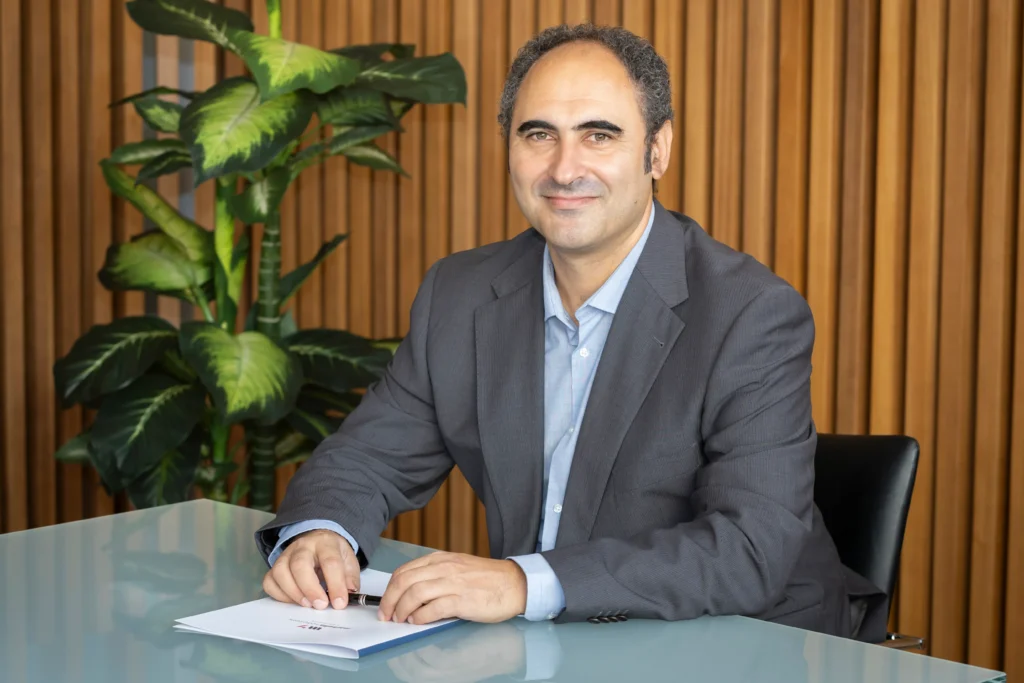
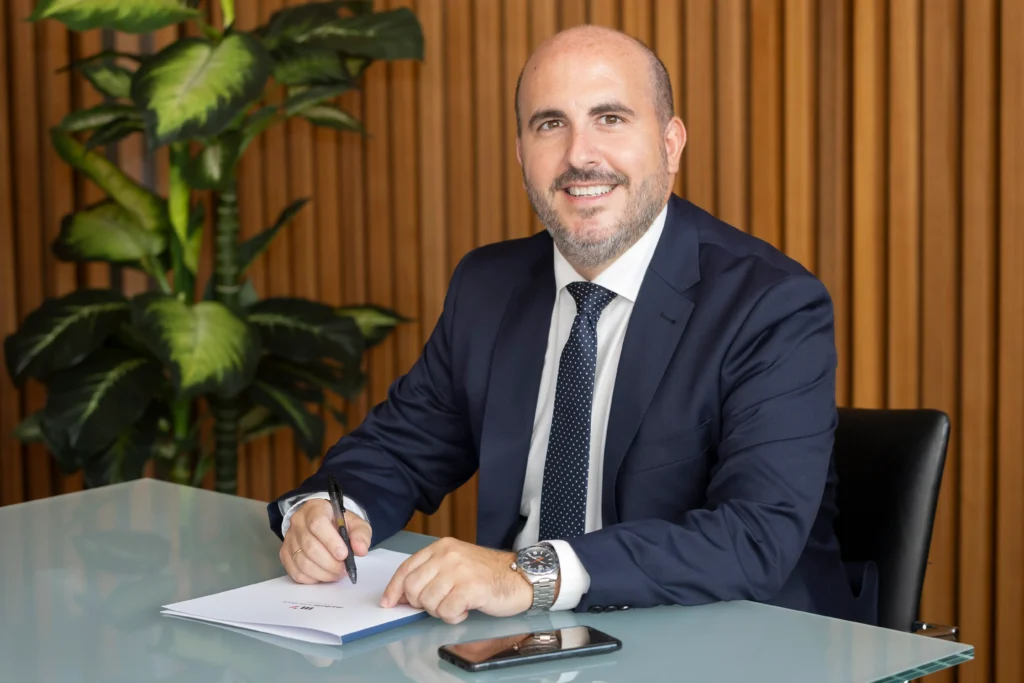
CEO – Malaga Solicitors Group
A specialist in property and company law, José is the founder of Malaga Solicitors Group and the head of our Marbella office.
Languages: Spanish and English.






 English
  Dutch
Dutch