
Signing a will in Spain is crucial for non-residents with assets in the country. It simplifies estate planning and ensures that your wishes for asset distribution are respected. As Spanish inheritance laws may differ significantly from those in other countries, it’s essential for non-residents to have a will that aligns with Spain’s legal framework. In this post, we’ll explore the benefits of signing a will in Spain, the process involved, and how it can help you navigate cross-border inheritance matters. Contact us today to get expert advice and ensure your estate is protected!
Understanding the Importance of a Will for Non-Residents in Spain
If you own property or other assets in Spain, it’s essential to understand the importance of having a will in place. A will serves as the foundation of your estate planning, ensuring your assets are distributed as per your wishes, effectively and quickly, avoiding unnecessary disputes.
Why Is a Will Crucial for Non-Residents?
Navigating the Spanish legal system can be challenging for non-residents. With a local will, you can:
- Specify your beneficiaries clearly, reducing the chance of disputes.
- Minimize delays in asset distribution. Lega and Tax paperwork’s must be done within 6 months from date of the death, so having a Spanish will in place makes things straightforward, quicker and also cheaper.
- Avoid complications caused by international inheritance laws.
Take control of your assets and ensure they are managed the way you want. Get in touch with us now to learn how a Spanish will can benefit you.
Why Non-Residents Benefit from a Spanish Will
Non-residents often have assets in Spain, such as real estate or bank accounts. Here’s how a Spanish will can benefit you:
- Compliance with Local Laws
A Spanish will ensures your estate adheres to Spain’s inheritance regulations, reducing the risk of legal conflicts.
- Tailored Provisions
You can include clauses that account for international heirs or multiple jurisdictions.
- Clarity and Ease
A local will ensures that your wishes are clear, making the inheritance process smoother, especially when dealing with unfamiliar legal procedures.
Make sure your assets are handled the way you intend. Contact our team to discuss how we can help you create a valid Spanish will.
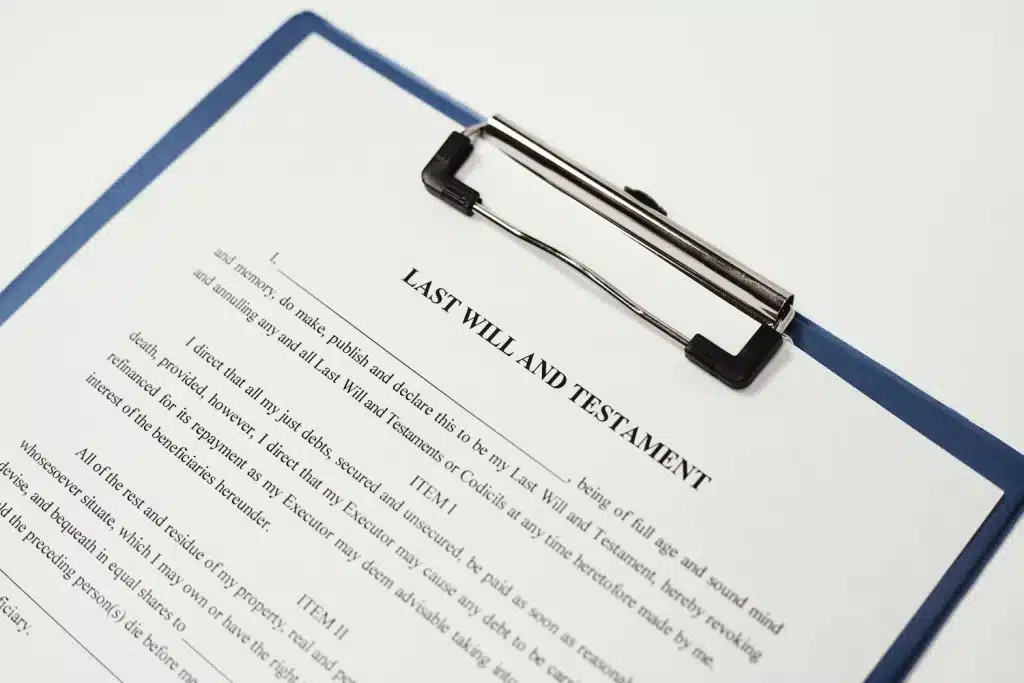
Comparing Spanish Wills with Home Country Wills
While a will from your home country might not be effective in Spain, a Spanish will be legally binding. Some key differences include:
- Recognition of foreign wills: A will from your home country may require additional legal processes to be recognized in Spain.
- Inheritance laws: The rules governing inheritance differ greatly between countries, potentially complicating the distribution of assets.
- Language barriers: A will written in another language could lead to misunderstandings.
Don’t leave anything to chance. If you own assets in Spain, a Spanish will is vital for a smooth estate process. Contact us to ensure your will complies with Spanish law.
Legal Framework Governing Wills in Spain
Spanish inheritance laws are governed by the Civil Code and apply to all assets in Spain. For non-residents, understanding these regulations is essential to managing your estate effectively.
Key Features of Spanish Inheritance Law:
- Mandatory heirs: Certain individuals, such as children and spouses, are entitled to a portion of your estate.
- Forced heirship: Spanish law limits how much freedom you have to allocate assets outside of mandatory heirs.
- Testamentary freedom: You can distribute your remaining assets as you wish after allocating the mandatory shares.
Planning your estate with Spanish laws in mind ensures your wishes are respected. Reach out to us for tailored estate planning advice.
Steps to Create a Will in Spain
Creating a will in Spain involves several key steps. Here’s how to get started:
- Choose a qualified solicitor
A reputable solicitor ensures that your will complies with Spanish law and accurately reflects your intentions. A good solicitor will recommend the most suitable notary for signing your will.
- Understand notarial costs
Notarial fees can vary, so it’s important to factor to choose a cheap notary.
- Include essential elements in your will
Ensure your will contains the following details:
- Full name and identification details
- A list of assets to be distributed
- Named beneficiaries
- Executor of your estate
A well-drafted will minimizes disputes and ensures smooth execution. Get in touch with us today to begin the process of drafting your Spanish will.
Common Mistakes to Avoid
When creating a will in Spain, avoid these common mistakes:
- Not consulting a registered solicitor legal expert: Spanish inheritance law can be complicated, so it’s important to consult a notary or solicitor.
- Failing to update the will: Make sure your will reflects any major life changes, such as marriage or the birth of children. Ie. If you get divorce and re-marriage you may wish to change your will.
- Overlooking taxes: Spanish inheritance tax can be significant, so consider the tax implications of your estate plan.
Avoid unnecessary complications by working with a professional. Contact us today to guide you through the will creation process.

Tax Implications for Non-Residents in Spain
The tax implications for non-residents in Spain can be complex, particularly regarding inheritance tax. Here’s a brief overview:
- Inheritance tax: Non-residents are subject to inheritance tax on assets located in Spain. The tax rate varies depending on the region and the value of the estate.
- Exemptions and reductions: Depending on your situation, you may benefit from regional exemptions or tax treaties between Spain and your home country.
Make sure you’re not overpaying on taxes. Get expert advice on managing inheritance tax liabilities. Contact us today for a consultation.
Protecting Your Heirs and Estate
A well-crafted will not only ensures your wishes are respected but also protects your heirs. Here’s how:
- Clearly define beneficiaries
This minimizes the chance of disputes among heirs.
- Review and update your will regularly
Ensure your will remains up-to-date with life changes.
- Appoint a trusted executor
An executor familiar with both Spanish law and your intentions will ensure your wishes are carried out smoothly.
Protect your heirs and estate by ensuring your will is properly drafted.
Handling Cross-Border Inheritance Issues
Cross-border inheritance can introduce complexities, particularly when multiple countries are involved. Here’s what you need to know:
- Different laws: Inheritance laws vary by country, which can create challenges when dealing with international assets.
- Tax implications: Tax rates for inheritance vary, and double taxation may occur unless tax treaties are in place.
Get professional help navigating the challenges of cross-border inheritance. Contact us today for expert guidance!

Practical Examples: A Case Study in Málaga
Take the example of a British expatriate, John, who owned property in Málaga. Unfortunately, he did not draft a Spanish will. Upon his death, his heirs faced delays, increased costs, and legal complications. Without a Spanish will, his estate was subject to intestate succession, complicating matters further.
This case highlights the importance of having a will in Spain to avoid unnecessary complications. Don’t make the same mistake. Let us help you create a clear and effective estate plan. Contact us now.
Conclusion
Signing a will in Spain is an essential part of estate planning for non-residents. If you are legal owner of a property in Spain, you must make a Spanish will. It provides clarity, ensures compliance with local laws, and helps avoid unnecessary complications during the inheritance process. By working with legal professional solicitors, you can ensure your wishes are respected and your heirs are protected.
Ready to create your will in Spain? Contact our expert solicitors at Malaga Solicitors today to ensure a smooth and efficient estate planning process.




 English
  Dutch
Dutch
Hi
My wife and recently purchased a property in Luque Cordoba and wish to make a Spanish will to leave our property to both of our children from our marriage.We have no other children.
Please advise me on expected cost to arrange this please.
Kind regards,
Peter Foley