
Málaga is a city rich in culture and history. Despite its popularity, many aspects remain unknown to visitors and even locals. This article explores three fascinating yet lesser-known elements of Málaga. The focus will be on its unique coffee culture, an intriguing Good Friday tradition, and the unusual design of metro clocks.
Peculiar coffee culture in Malaga
The coffee culture in Malaga reflects the unique lifestyle and social fabric of the city. With a rich tradition tied to local customs, coffee is much more than just a drink; it is an integral part of daily life.
The unique way to order coffee
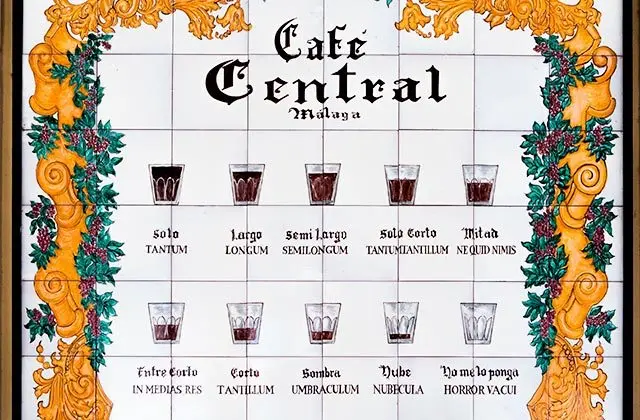
Ordering coffee in Malaga is an experience that varies significantly from other parts of Spain. Locals have developed a specific vocabulary to communicate their preferences. This special jargon not only emphasizes the variety available but also encapsulates the intimate relationship the residents have with their coffee.
- Solo: A simple espresso without any milk.
- Largo: A double espresso with a little milk.
- Semi Largo: Comprising 70% coffee and 30% milk.
- Solo Corto: Consists of 60% coffee and 40% milk.
- Mitad: An even blend of 50% coffee and 50% milk.
- Entre Corto: Made up of 40% coffee and 60% milk.
- Corto: A small coffee, almost a “mini” version.
- Nube: Entails 25% coffee and 75% milk.
- Sombra: Similar to Nube, but with an added 20% more coffee.
Familiarity with this vocabulary enhances the social interaction between locals and visitors, forging a connection rooted in shared appreciation for coffee culture.
Types of coffee you can find
In Málaga, coffee is not merely a beverage; it is a cornerstone of social life. The city offers various types of coffee, with each one catering to different tastes and preferences. Here are some popular variations:
- Espresso: The foundation of many coffee drinks, known for its rich flavor and aroma.
- Café con Leche: A beloved choice that pairs strong espresso with hot milk, often enjoyed during breakfast.
- Cold Brew: Gaining popularity, especially during the hot summer months, offering a refreshing alternative.
- Café Bombón: A delightful blend of espresso with sweetened condensed milk, perfect for those with a sweet tooth.
This variety not only reflects the local preferences but also showcases the adaptability of coffee culture in Malaga. Cafés across the city cater to these tastes, creating a diverse drinking experience.
Local preferences and their origins
Local coffee preferences stem from a blend of historical influences and regional tastes. The Andalusian climate, characterized by warm weather and strong sunlight, has led to the development of certain coffee styles that merge tradition with innovation.
Malagueños have embraced coffee as a social lubricant, enjoying it in company and often with a pastry or snack. This communal aspect is woven into the fabric of daily life, where coffee breaks serve as an important ritual in both personal and professional settings.
Coffee and social interactions
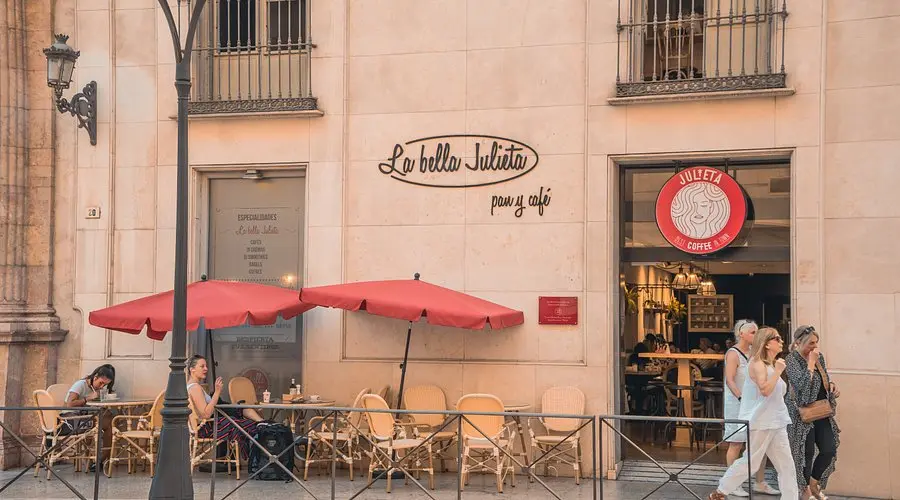
The act of having coffee in Malaga is symbolic of more than mere consumption; it is a cultural practice that fosters relationships. Coffee is often enjoyed at terraces in the sun, where conversations flow freely. This tradition complements the local lifestyle, where leisurely interactions and the enjoyment of simple pleasures are highly valued.
Gatherings at cafés become social events, making them essential parts of community life. As a result, coffee culture in Malaga is not just about the drink itself, but also the people and moments shared over it.
The tradition of releasing a prisoner on Good Friday
This unique practice in Málaga is a fascinating blend of history, spirituality, and local customs that has been celebrated for over two centuries. It is a striking example of how community, culture, and faith intertwine in this Andalusian city.
Historical background of this tradition
The origin of this peculiar custom dates back to 1759 during a time of great distress for Málaga. The city was suffering from a severe epidemic, which led to the suspension of traditional Holy Week processions. The prisoners, who were deprived of participating in these significant festivities, unified in their despair and sought to appeal to the authorities. Their fervent protest was driven by a deep spiritual desire to carry the image of Christ in procession, demonstrating the powerful link between faith and their everyday lives.
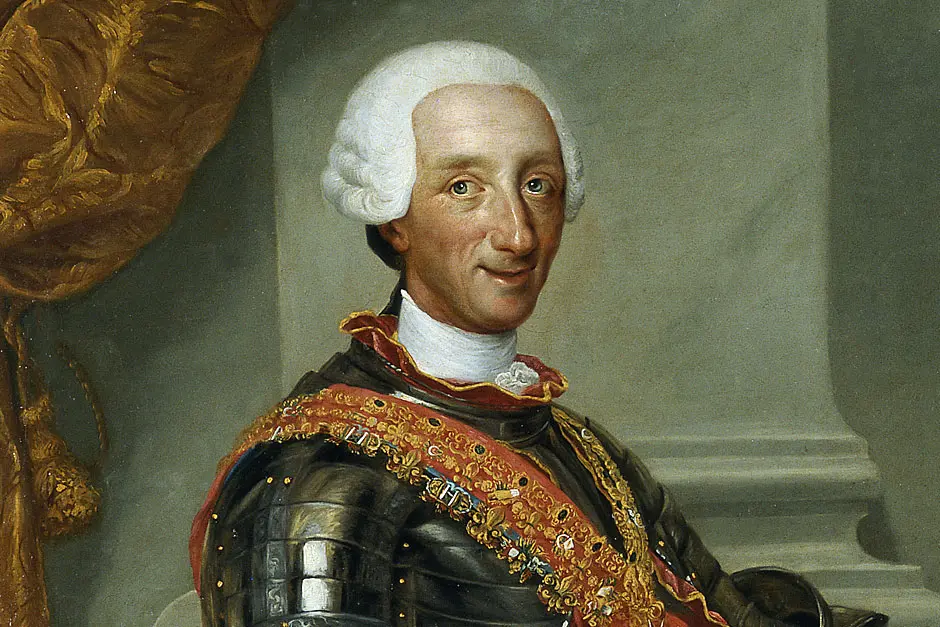
This unexpected rebellion caught the attention of King Carlos III. Moved by the devotion and the heartfelt longing of the prisoners, he issued a royal decree allowing one prisoner to be released each year on Good Friday. This decree was not only a response to the plight of the incarcerated but also a reflection of the compassionate spirit that characterizes many traditions in Málaga.
The Role of King Carlos III
King Carlos III played a pivotal role in shaping the future of this tradition. His enlightenment principles often led him to advocate for more humane treatment of individuals, even those behind bars. The King’s decision to allow this symbolic act of liberation every Good Friday significantly influenced how the local community viewed justice and redemption.
This annual release became a gesture of goodwill, symbolizing hope and renewal during the holiest days of the Christian calendar. It served as a reminder of mercy and the possibility of forgiveness, emphasizing the importance of community solidarity and understanding in times of hardship.
Current Practices in Modern Times
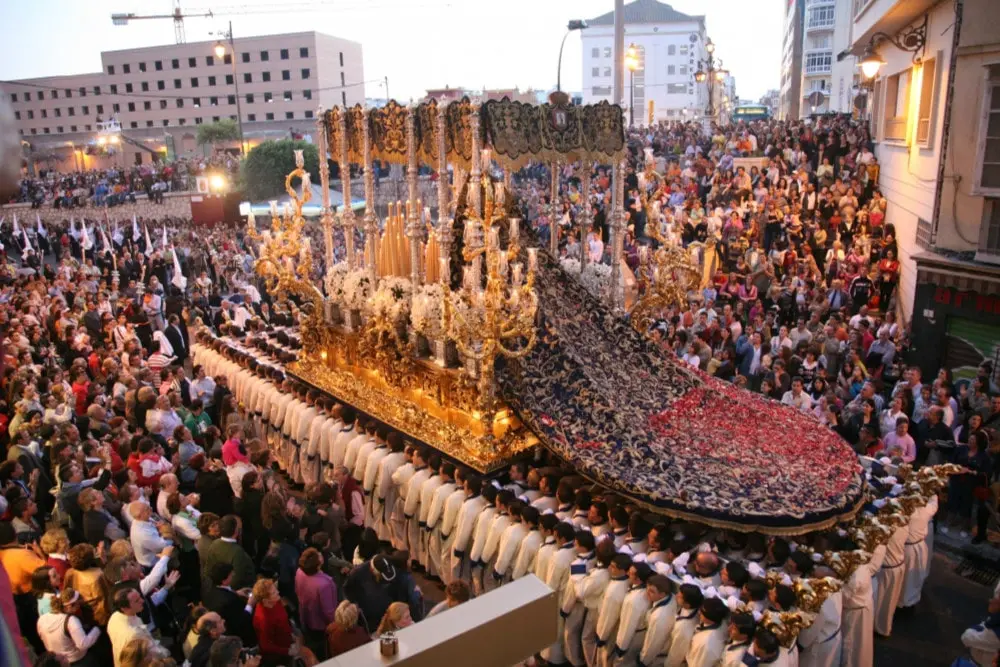
Today, the tradition continues to thrive, attracting attention not only from locals but also from visitors intrigued by its significance. Each year, a prisoner is selected for release through a process that remains both ceremonial and deeply rooted in the spirit of the original decree. This act is commonly referred to as ‘Jesús El Rico’, highlighting its close ties to religious and cultural identity.
The chosen prisoner, often selected based on specific criteria involving good behavior and the nature of their sentence, is released amidst a gathering of community members and onlookers. The event is marked by prayers, processions, and a palpable sense of celebration. This ritual not only underscores the compassionate values of the local society but also allows the community to come together, fostering a sense of belonging and shared humanity.
Impact on Malaga’s Cultural Identity
The ongoing practice of releasing a prisoner on Good Friday serves as both a cultural hallmark and an enduring symbol of Málaga’s identity. It illustrates how historical events shape modern customs while spotlighting the city’s rich tapestry of traditions, spirituality, and community involvement. The event resonates deeply with the population, reinforcing their collective identity and emphasizing the role of compassion in social interactions.
Moreover, this ritual has become an integral part of the Semana Santa celebrations in Málaga, where influences of faith and local heritage interject deeply into the fabric of the community. It is a vivid reminder of the trials faced throughout history and the resilience that emerges from them.
By observing this tradition, residents continuously reaffirm their cultural values and draw connections between the past and their present-day society. Therein lies the essence of Málaga: a city that balances the weight of its historical challenges with the lightness of communal festivities, making the tradition of prisoner release a cherished part of its cultural narrative.
Malaga’s Metro clocks phenomenon
The metro system in Málaga features a unique design for its clocks, which adds an intriguing layer to the daily commute. Understanding these clocks provides insight into the city’s approach to transportation and punctuality.
The intriguing design of Metro clocks
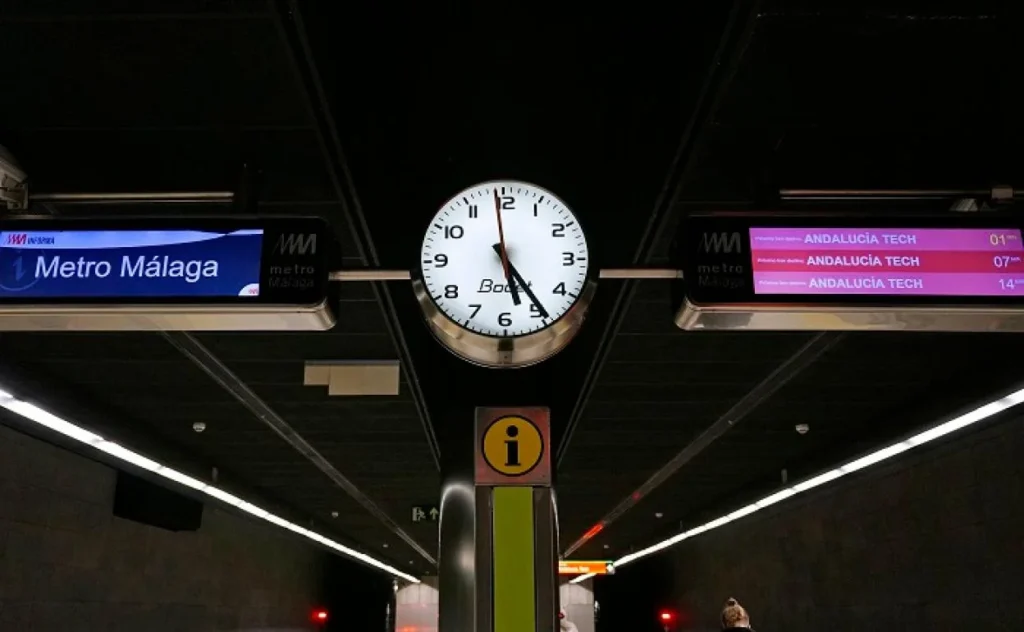
In Málaga, the metro clocks are designed to challenge the conventional ways people measure time. These clocks do not adhere to the typical method of counting seconds; instead, they pause at 58.5 seconds before advancing the minute hand. This unusual feature often leaves passengers intrigued, as it diverges from what is expected in most urban environments.
This design mimics the Swiss clock model, aiming for enhanced synchronization across the metro network. The rationale behind this is to improve the accuracy of train schedules and ensure that the entire system maintains precise timing. By halting at 58.5 seconds, it allows all clocks to align perfectly when the minute hand moves, facilitating a reliable transport experience.
Synchronization and Functionality
Synchronization in a transit system is crucial for operational efficiency. Málaga’s metro clocks are an embodiment of this principle. The innovative design assures that all metro stations operate in harmony, preventing delays or discrepancies that might disrupt the flow of passengers. With trains typically running every few minutes, even a small timing error could lead to significant inconvenience.
By employing this distinct clock design, Málaga enhances its public transport’s reliability. The synchronization approach minimizes passenger confusion about departure times, showcasing the city’s commitment to facilitating a smooth transportation experience. This thoughtful functionality positions Málaga’s metro as an efficient model compared to other systems where timing might not be as rigorously maintained.
Influence on daily commute and public perception
The unique clock system has a tangible impact on the daily commute of Málaga’s residents and visitors. It shapes how they perceive time while using the metro, fostering a sense of structure in their travels. Passengers quickly adapt to this peculiar timing method, learning to anticipate train arrivals based on the unique second-hand movement.
Moreover, the peculiar nature of the metro clocks often sparks conversations among commuters. It has become a talking point, adding a cultural layer to the ordinary experience of using public transportation. Such interaction signifies how everyday aspects of the city can engage residents and visitors alike.
Vergelijking met andere steden
When compared to metro systems in other cities, Málaga’s clock functionalities stand out. Many major cities employ more standard designs for their clocks, largely adhering to the conventional approach without variance. In contrast, Málaga’s method is distinctive and reflects an innovative spirit that invites curiosity. Cities like London or Paris focus on traditional timing methods, often leading to predictable yet unremarkable features.
This contrast highlights Málaga’s uniqueness as a transportation hub. The metro clocks not only serve a practical function but also enhance the city’s identity, illustrating how innovation can merge seamlessly with daily life. As visitors experience the metro, they encounter not just a means of transport, but also a unique aspect of Málaga’s culture that resonates deeper than it may initially appear.


 Dutch
Dutch  English